

Celje used to be among the most important historical Slovenian towns. It was the seat of the Counts of Celje, who were among the most prominent ruling dynasties in Europe during the Middle Ages (14th and 15th centuries). Perhaps Celje is merely a small provincial town, yet another of the many similar in Central Europe. The surprising resemblance, urban and architectural similarity, careful elegance, and open-hearted domestic atmosphere are the noble heritages of a common past. And yet, Celje is a unique and irreplaceable city! Its excellent location, picturesque surroundings, glorious history, and friendly people have for centuries jointly shaped the image of its distinctiveness.
 EVENTFUL HISTORY
Life along the banks of the clear Savinja River evolved as early as the late Iron Age, and during the Celtic times, the first known settlement was raised upon the terraces below the Miklavški hrib hill. During the reign of the Roman Emperor Claudius in the middle of the 1st century A.D., it was granted town rights, and in the following two centuries, it gradually grew into the most prominent trade, craft, and cultural center in the Noricum province. Extremely rich archaeological remains prove that ancient Celeia, with the wealth and affluence of its inhabitants, far outmatched neighboring towns. Old writers even compared it to the glorious Troy, earning the town the attribute of "Second Troy" (Troia Secunda).
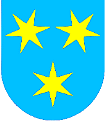
Under the stars of the powerful Counts of Celje, the town restored its old glory. It became the administrative center of a vast dynastic territory. During their time, the former market settlement was granted town rights and—as a princely town—developed significantly in terms of architecture, economy, and culture. During the reign of the last Counts of Celje, the town was the only genuine center of humanism and Renaissance in the Slovenian lands.
GASTRONOMIC DELIGHTS
Once you get tired of walking, you can find refreshments in a cozy bistro, café, or restaurant. There, master chefs will know how to prepare anything: from authentic domestic Slovenian dishes to international specialties. Isn't it original that after sightseeing, you can treat yourself to a genuine medieval feast at Hotel Evropa? And if you wish to stay another day, you can easily find accommodation in one of the four nicely arranged hotels in Celje.
PICTURESQUE SURROUNDINGS
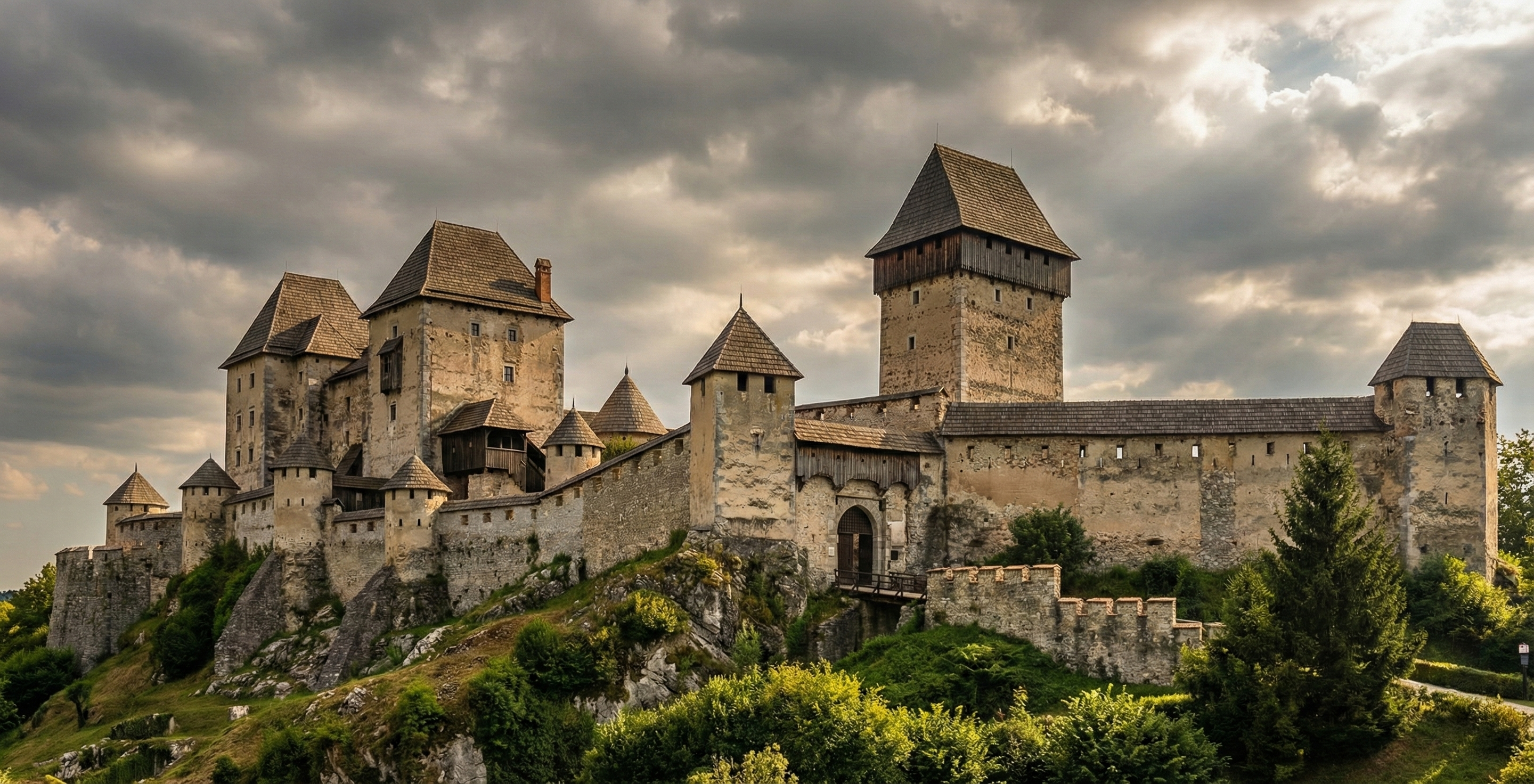
A stroll through the city park to Griček will refresh you. With a little more effort, you can climb the Miklavški or Jožefov hrib hills, or take the famous Pelikan's trail to the Old Castle of Celje, which is successfully being restored to its former greatness.
One of the most attractive options is the climb to Celjska koča, from where it is just a short hop to the idyllic village of Svetina, the eternal home of the world traveler Alma Karlin. We must not forget Lake Šmartinsko, the largest artificial lake in Slovenia.
In the immediate vicinity, you can visit the perfectly preserved Roman Necropolis in Šempeter, descend into the karst underworld of the Pekel Cave (Jama Pekel), or gather new strength in the nearby natural health resorts: Laško, Dobrna, Zreče, and Rogaška Slatina.
SPORTING AGILITY & FAIRS
Celje is undoubtedly a town of sport: it is proud of its excellent athletes, world-class handball team, and world-caliber judokas. The city offers everything—from swimming pools and an ice rink to the ski slopes at Celjska koča. At the same time, Celje lives with its fairs. The International Craft Trade Fair (MOS) is the central business event in Slovenia, attracting thousands of exhibitors and visitors from abroad every year.
CULTURAL PULSE
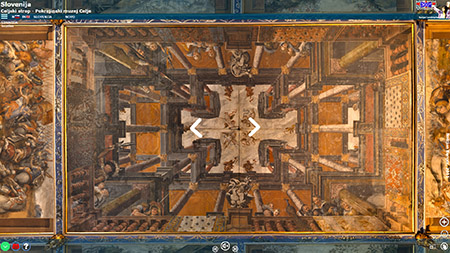
Culture in the city on the Savinja is not a hollow slogan but real life. The SLG Celje theater, museums, galleries, and Central Library create a vibrant pulse. A special highlight is the only museum for children in Slovenia—Herman's Den. The famous Ceiling of Celje in the main hall of the County Mansion is the most important monument of artistic painting between the Renaissance and Baroque eras on our soil.